
When healing has to happen
on deadline.
For 26 seasons, Dr. Buhler's clinical week wasn't a series of six-month rehab timelines. It was a professional basketball team with a game on Tuesday and a back-to-back Thursday. Athletes whose careers, contracts, and playoff seeding depended on whether an injury that healed on a textbook timeline instead healed on a 48-hour one. That pressure is where AMIT became AMIT.
The athletes who bet their careers on it.
Olympians, Hall-of-Famers, UFC champions, and elite pros across football, basketball, skiing, and grappling — all treated with the same method you'll be certified to deliver.
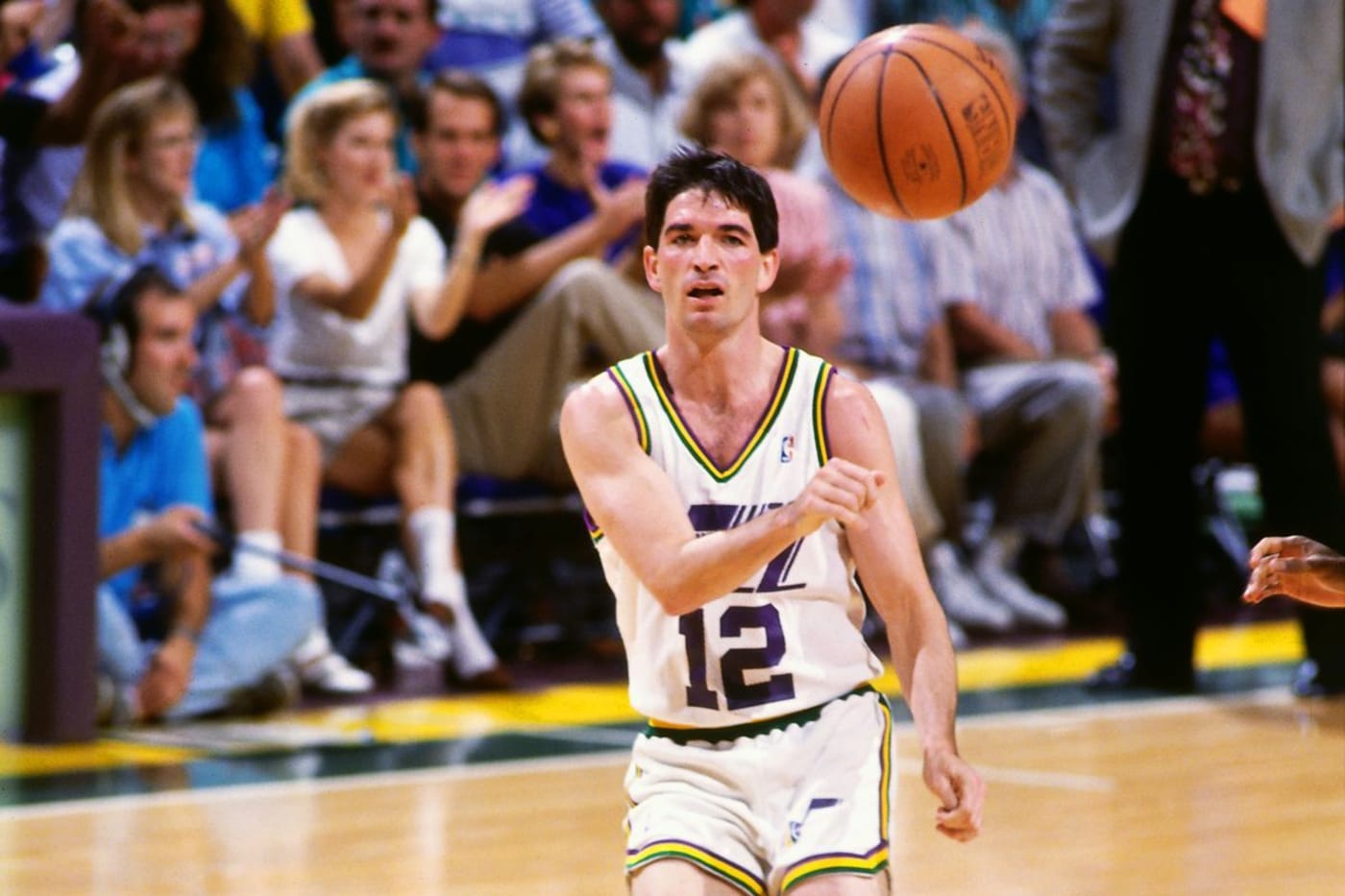
John Stockton
10x NBA All-Star & A.M.I.T patient
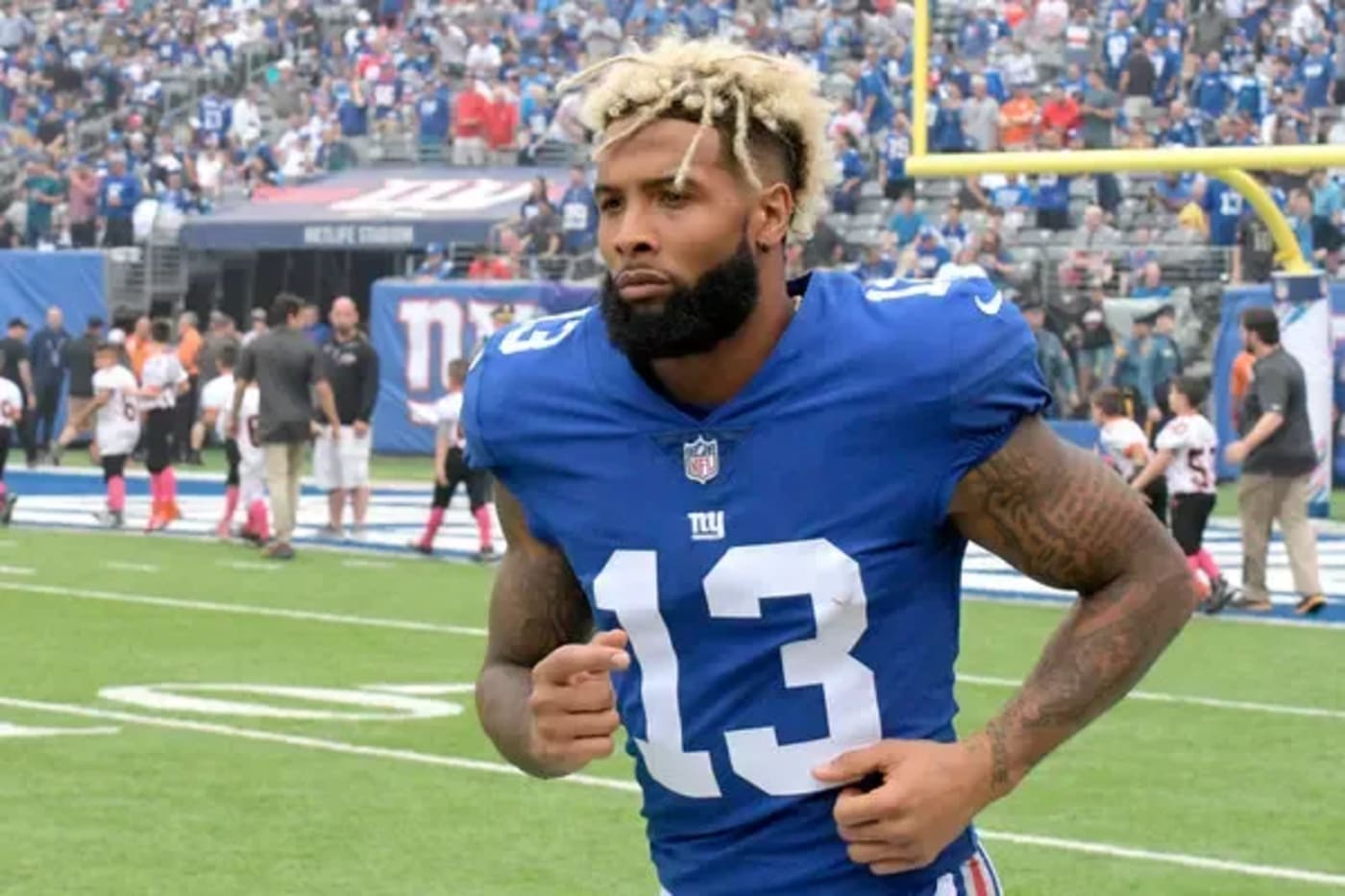
Odell Beckham Jr.
Wide receiver for Baltimore Ravens & A.M.I.T patient
Picabo Street
Olympic ski racer & A.M.I.T patient
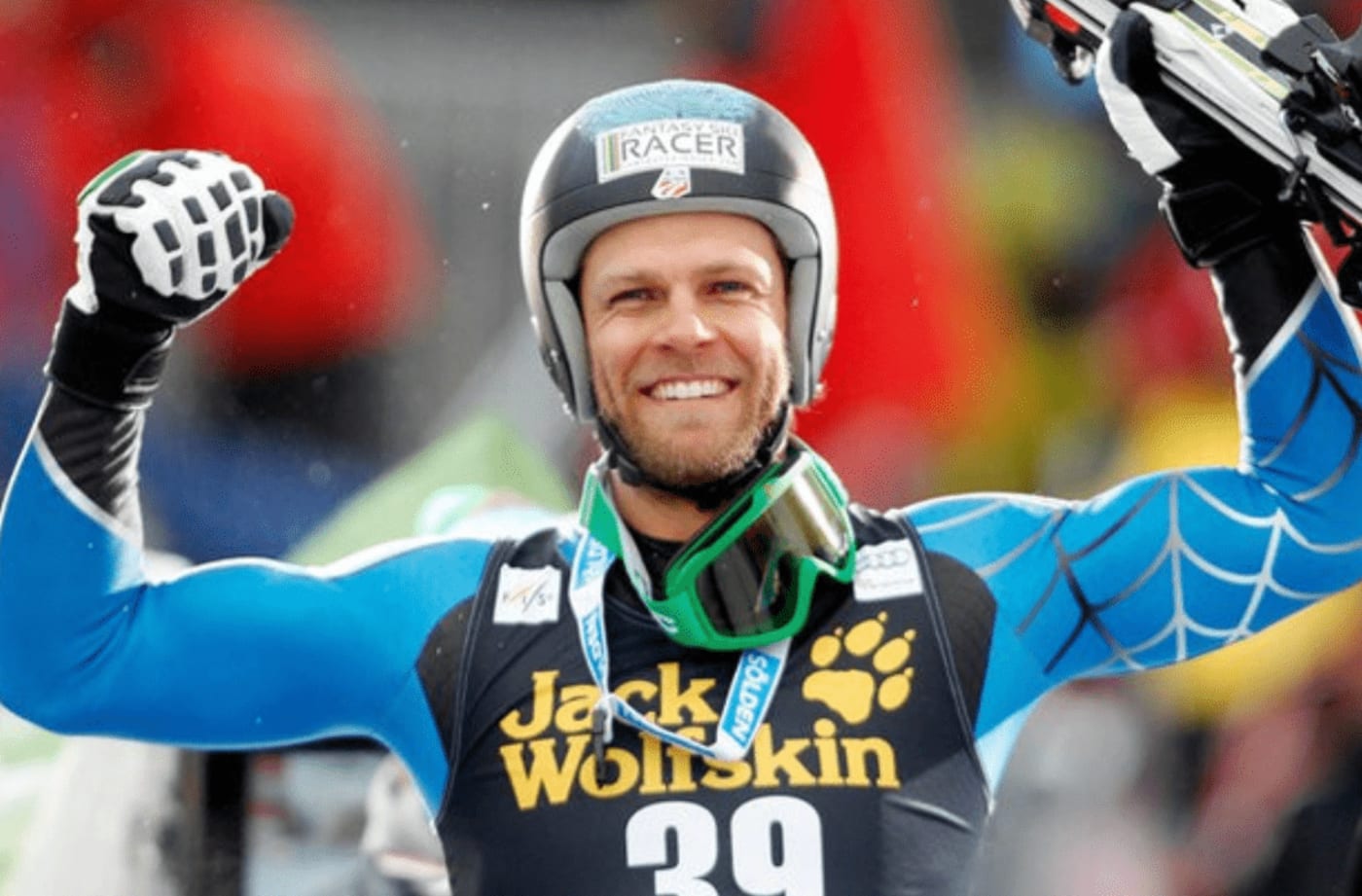
Steve Nyman
Olympic downhill skiing world champion & A.M.I.T patient
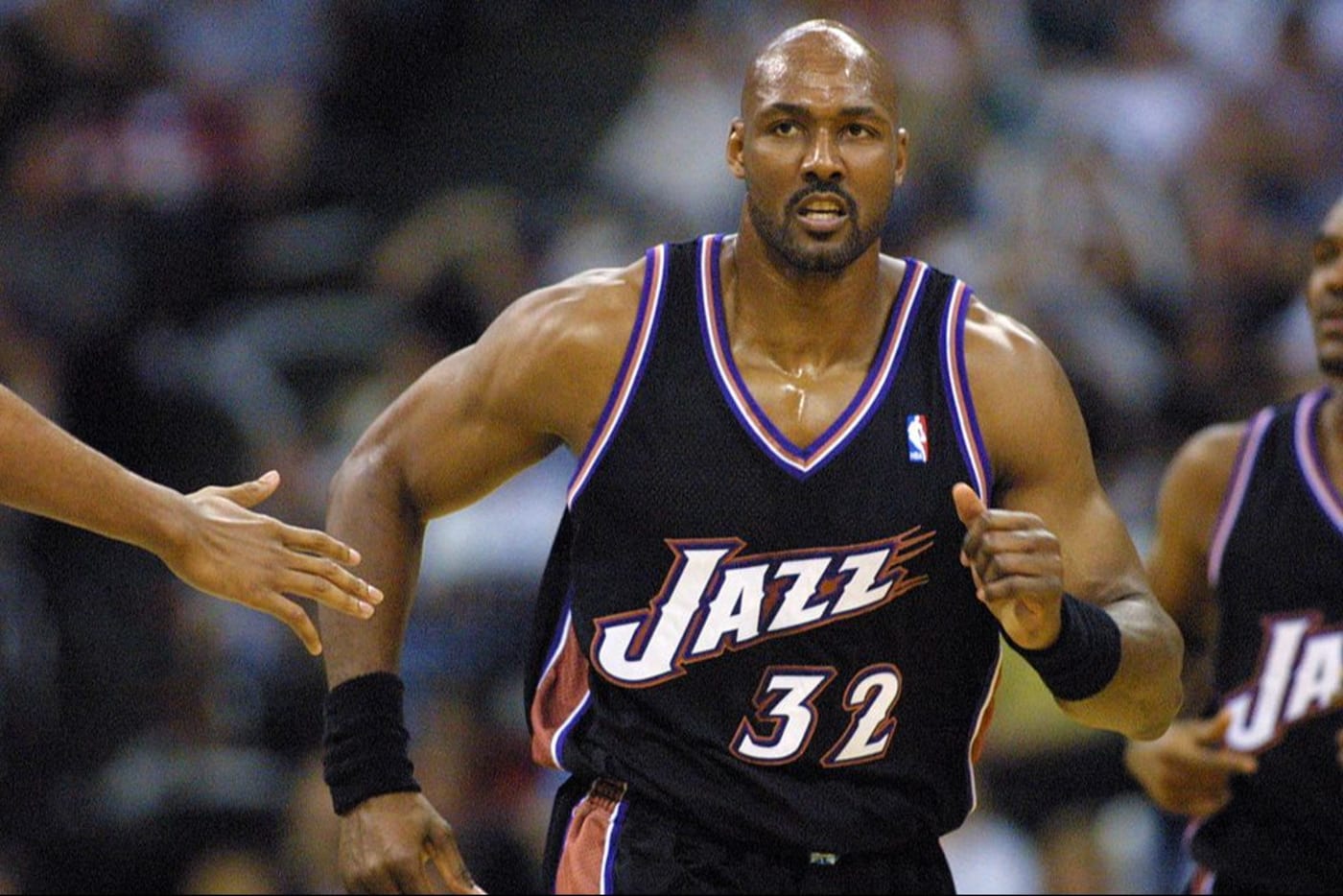
Karl Malone
14x NBA All-Star & A.M.I.T patient
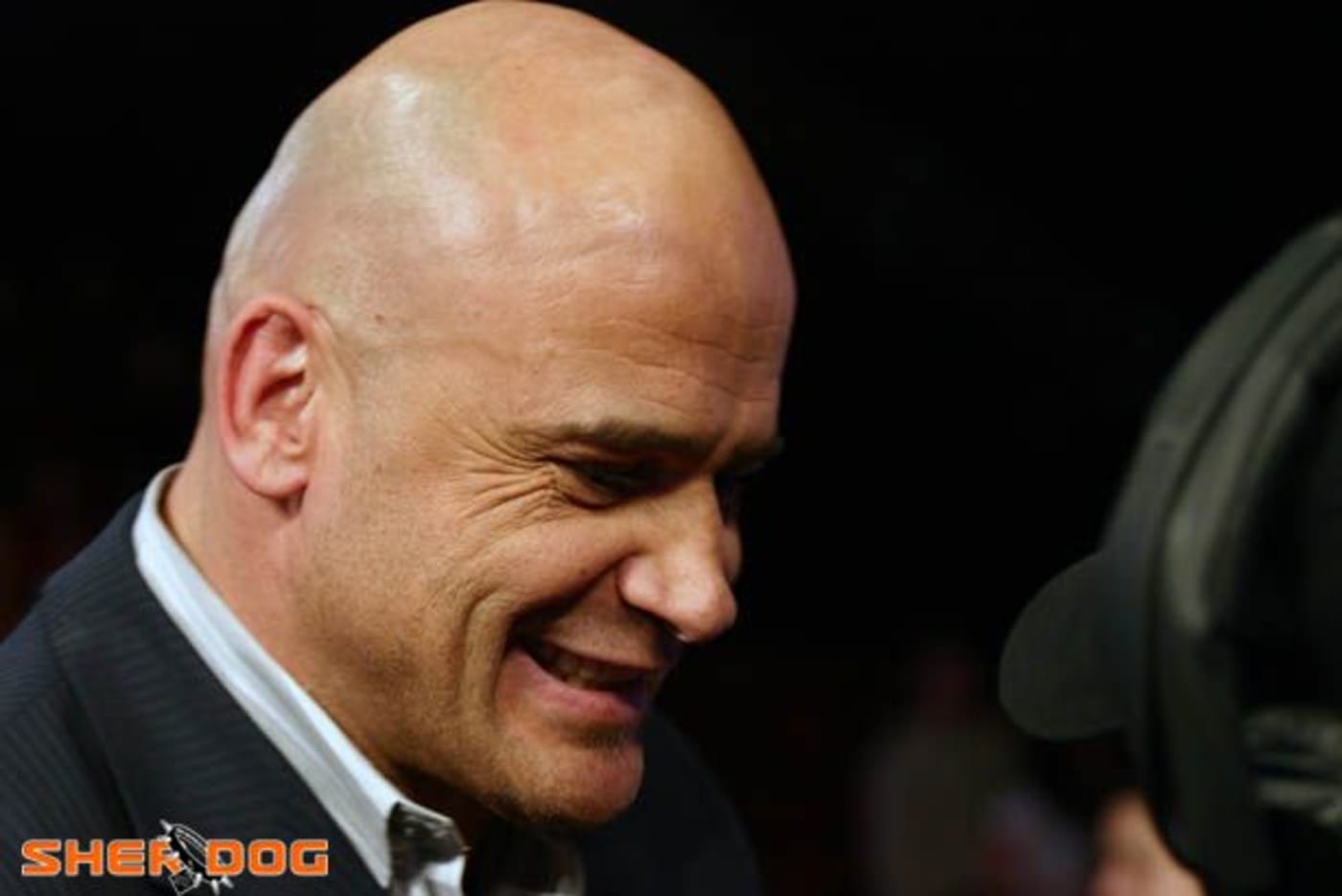
Bas Rutten
UFC heavyweight world champion & A.M.I.T patient

Victor Hugo
Brazilian Jiu-Jitsu world champion & A.M.I.T patient
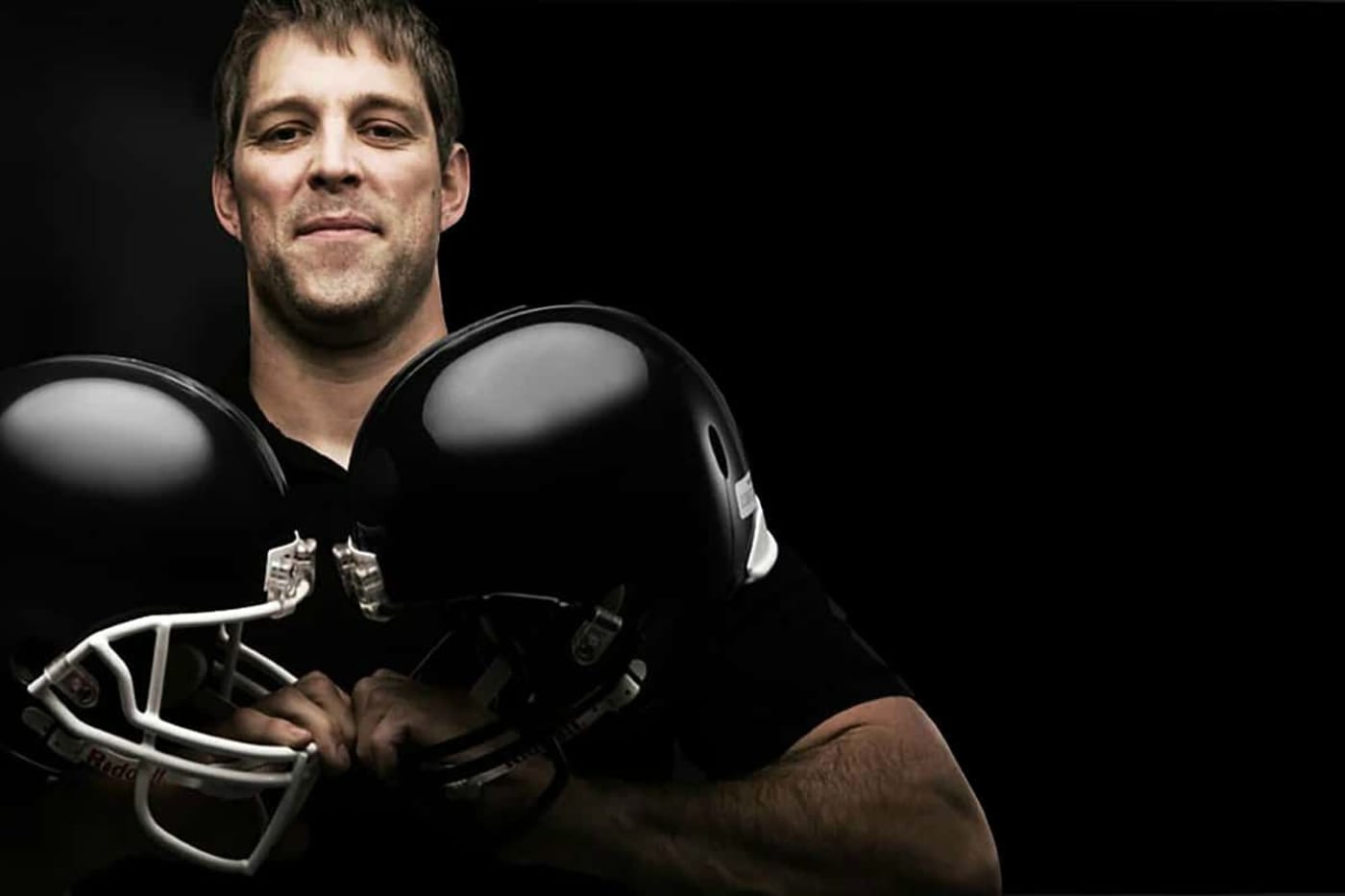
John Welbourn
Offensive Tackle, Philadelphia Eagles + New England Patriots & A.M.I.T patient
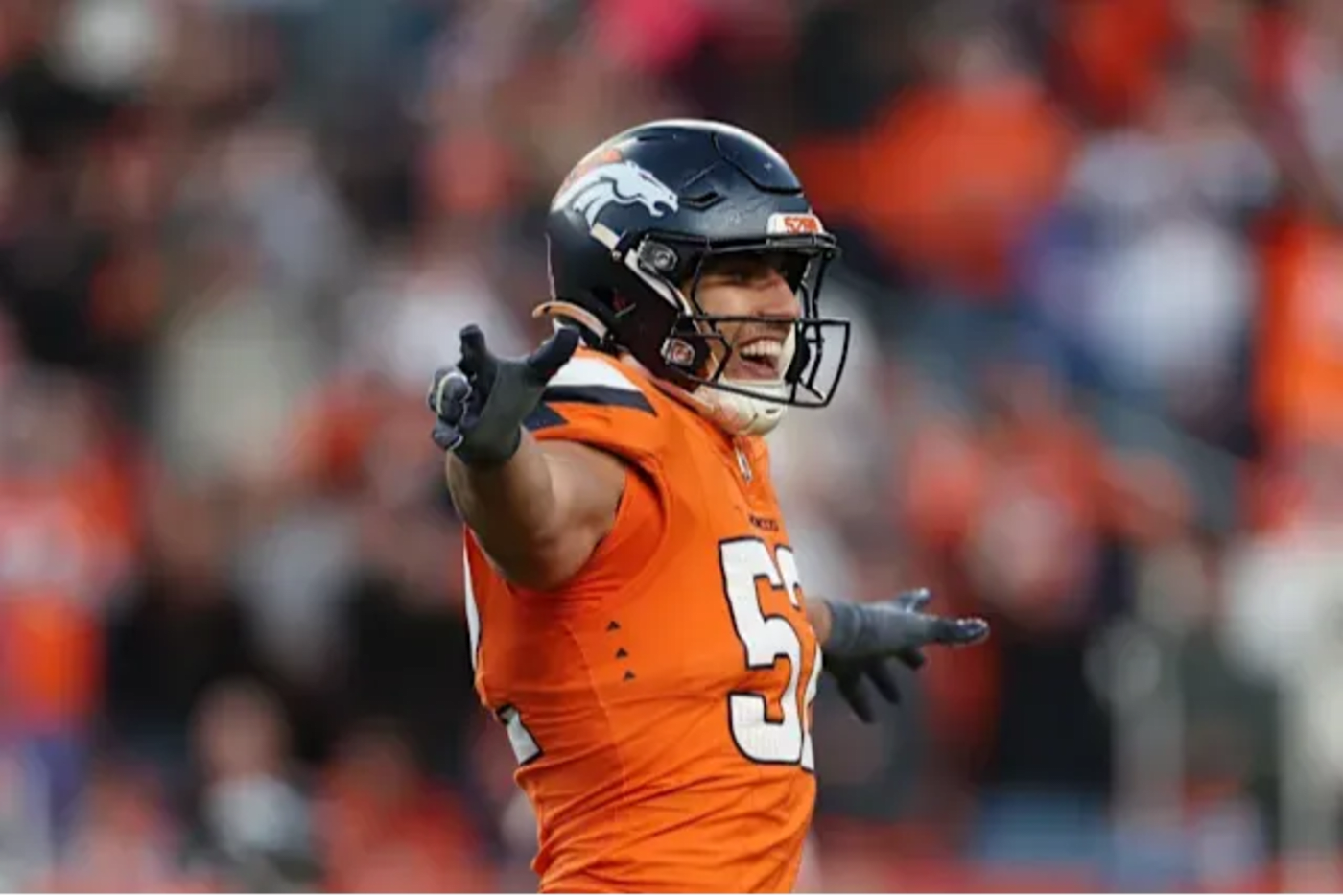
Jonah Elliss
University of Utah Defensive End & A.M.I.T patient
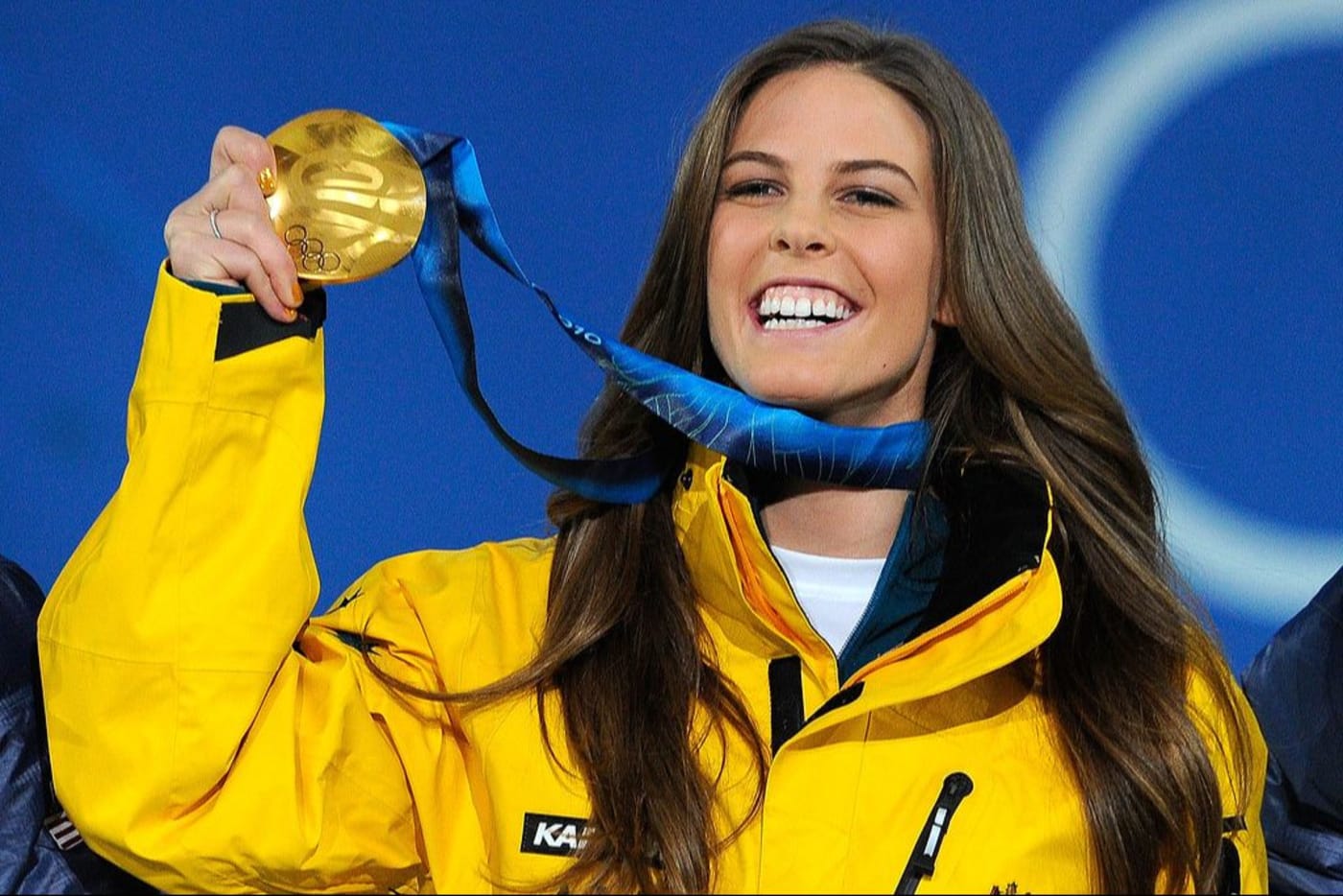
Torah Bright
Olympic Gold Medalist & A.M.I.T patient
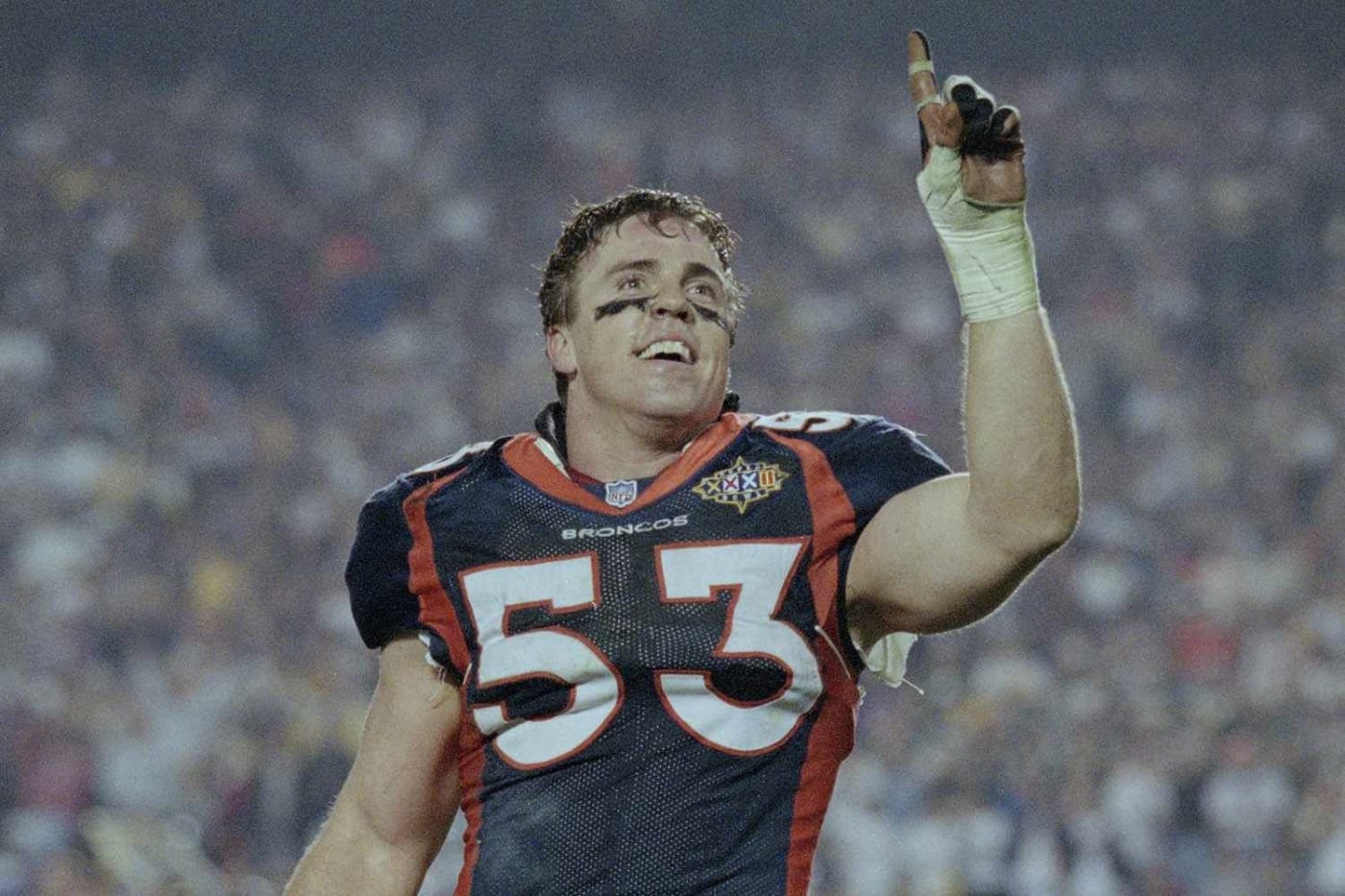
Bill Romanowski
2x NFL All-Pro & A.M.I.T patient
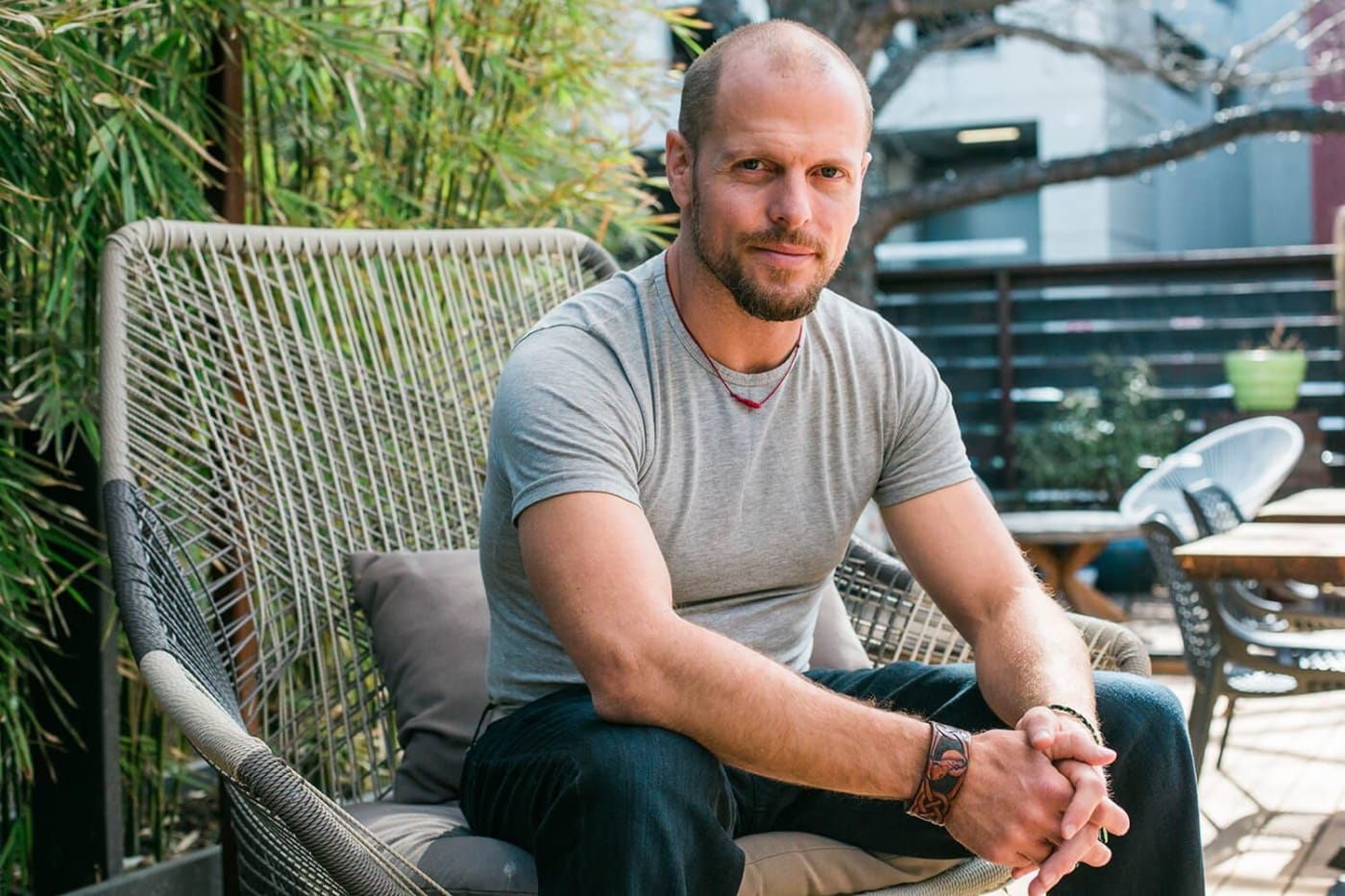
Tim Ferriss
Author of The 4-Hour Workweek & A.M.I.T patient
Dr. Buhler is a gifted healer.
John StocktonNBA · Utah Jazz · Hall of Fame
The AMIT method has extended my career years.
Odell Beckham Jr.NFL Wide Receiver
AMIT is the main reason my career ended on the high it did.
Picabo StreetOlympic Gold Medalist · Alpine Skiing
The clinical protocol that got these athletes back on the court, the field, and the mountain is the same one taught inside certification. See the certification program →
Elite-sport medicine doesn't
tolerate slow methodology.
Every technique Dr. Buhler kept in the protocol earned its place by surviving inside a training room where the coach, the GM, the player, the agent, and the trainer all had a stake in how fast it worked. Ideas that looked great in theory and stretched out over months got cut. What survived is what's now being taught.
Rest, ice, wait, image, manage
Symptom fades over weeks. The compensation pattern underneath gets locked in. Athlete returns at 85%. The original injury recurs, this time with a new chronic pattern draped on top of it. Career slowly degrades.
Find the inhibited muscle first
Pain is a consequence, not the condition. Screen for the muscle that's gone offline. Correct the inhibition. The kinetic chain returns to full load-bearing capacity. The athlete returns at 100%. The injury doesn't recur because the pattern that caused it doesn't exist anymore.
The protocol that worked on
an All-Star still works on your 10 a.m.
Three principles from elite-sport medicine were baked into the method itself — which is why civilian patients in a certified AMIT practice tend to heal on timelines that look, demographically, more like pro athletes than like clinic averages.
Most healing inside 30 days.
In pro sport, a four-week injury is a long-term injury. The protocol was built around compressing the majority of the recovery curve into the first month of treatment — which is precisely why AMIT patients deliver a full industry LTV inside their first month.
Treat the whole chain, not the complaint.
Athletes don't get to rest injured parts. Every inhibited muscle has to be accounted for, every compensation has to be mapped and corrected, because a weak link at 95% is a season-ender next week. Civilian patients benefit from the same thoroughness they'd never demand.
The visit ends when the body changes.
In the training room, the measure is objective — can the player cut, push off, absorb contact, sprint? The protocol was built to produce that kind of before/after inside a single visit where possible, which translates directly to civilian care that doesn't slide into indefinite maintenance adjustments.
Elite-sport medicine
for the 90th-percentile practice.
Most certified AMIT providers are not working with professional athletes. They're treating the same mix of civilian patients that every chiropractor and physical therapist sees — the office worker with chronic neck pain, the weekend warrior with a recurring hamstring, the post-menopausal patient with undiagnosed hip dysfunction.
What changes is the timeline. A clinical protocol forged for athletes doesn't slow down when it's applied to civilian patients. It compresses their healing curve in exactly the same way. That is what the outcomes data on the certification page is actually measuring.
When a method has to survive inside a locker room, it picks up a certain kind of muscle. That muscle — the ability to get somebody back to full function fast — doesn't disappear just because the patient is now 52 years old and works in accounting.
Where the method was forged
- Team chiropractor, Utah Jazz (NBA) · 26 consecutive seasons
- Post-surgical rehab consultant, US Ski Team
- Lowest player-missed-games-from-injury rate in the NBA across the Buhler tenure
- Protocol iterated under professional-sport deadlines for two decades before commercial release
Specific players, franchises, and case studies discussable under NDA during the certification cohort.
Elite-sport healing.
Civilian patient list.
Certification gives you the protocol that spent 26 NBA seasons getting pressure-tested — now inside the practice you already run.